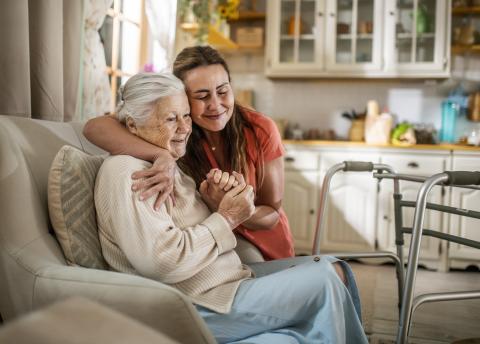
Who Cares for the Caregiver?
Whether a spouse, adult child, sibling, neighbor, or friend, caregivers often step into the role gradually. What begins with helping manage finances, providing transportation, or offering reminders can grow into daily caregiving that requires patience, flexibility, and emotional strength.
Many caregivers devote so much energy to caring for someone they love that they neglect their own well-being. They postpone medical appointments, give up hobbies, lose touch with friends, and push through exhaustion because they feel responsible for doing it all.
Caregiving can be deeply meaningful, and it can also be physically and emotionally demanding. Watching someone struggle with memory loss often brings feelings of sadness, frustration, worry, and grief. These emotions are normal and shared by countless families on similar journeys.
One of the most important things caregivers can remember is that asking for help is not a sign of weakness, it is a sign of strength. Support from family, friends, faith communities, support groups, or professional caregivers can provide much-needed relief and help prevent burnout.
"You do not have to do everything alone. Taking care of yourself is not stepping away from caregiving—it is what makes caregiving possible." Even small acts of self-care matter. A neighborhood walk, lunch with a friend, a favorite book, or a few quiet moments can help restore energy and perspective.
If you know a caregiver, reach out. Offer a meal, run an errand, sit with their loved one, or simply listen. Sometimes the greatest gift is knowing someone cares. By extending support and compassion to caregivers, we strengthen the network of care that helps everyone navigate the journey with greater resilience and hope. Because no caregiver should have to walk the path alone.