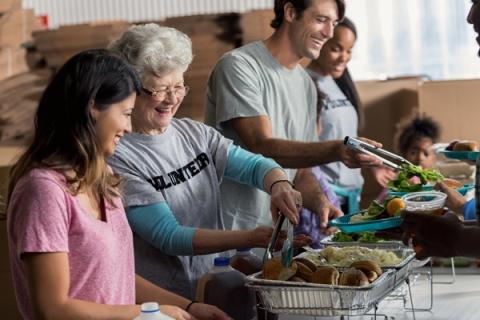
Volunteering as a Solution to Senior Isolation
Social isolation isn’t just emotionally difficult; it can also affect physical and mental health. A recent study from Tulane University found that loneliness and social isolation may reduce the number of years people live free from mental health conditions such as anxiety and depression. Social isolation has also been associated with cognitive decline and poorer outcomes for people living with chronic health conditions. Another study identified several factors that can make older adults more vulnerable to social isolation and loneliness as they age.
“The 65-69 age group often faces significant life changes such as retirement or the onset of chronic diseases, which can contribute to depressive symptoms,” said study author Guohua Li, professor of Epidemiology at Columbia University. “This finding aligns with other reports indicating that ages 65 and older are often accompanied by factors such as increased physical health issues or chronic medical conditions including diabetes mellitus, anxiety, cognitive decline, and the loss of social networks, which can exacerbate feelings of isolation and depressive symptoms.”
The study also pointed to something that may help: volunteering.
“Alternately, those engaged in volunteering activities had a significantly lower prevalence of depression,” Li said.
While volunteering can be one way to combat winter loneliness and social isolation, there can be barriers for older adults, from transportation and mobility challenges to simply not knowing where to begin. So, this winter, make an effort to reach out to the older people in your life and community, and consider inviting them to volunteer with you.
How to encourage an older adult to volunteer
Rather than simply suggesting they find a volunteer opportunity, invite them along to one you’ve chosen as a shared activity. Look for roles that match their interests and comfort level, whether that means sorting donations at a food bank, helping at a library event, assisting at an animal shelter, supporting a local church or nonprofit, or taking part in another community project. Starting with a short commitment, such as an hour or two, can make the experience feel more manageable, especially for someone who has grown accustomed to spending most of their time at home.
Volunteering can give older adults a sense of purpose while creating opportunities to meet people and become part of a regular routine. Offer to help with practical details at first, such as transportation, registration, or figuring out where to go, and choose opportunities that accommodate any mobility, hearing, vision, or stamina concerns. Most importantly, let the older adult have a say in what you do. When the activity connects with something they genuinely care about, volunteering is much more likely to become something they look forward to rather than something they feel pressured to do.